Travel Guide · 29 September 2026 · 9 min read
Birdwatching Around Haapsalu: Five Spots and the Birds to Look For
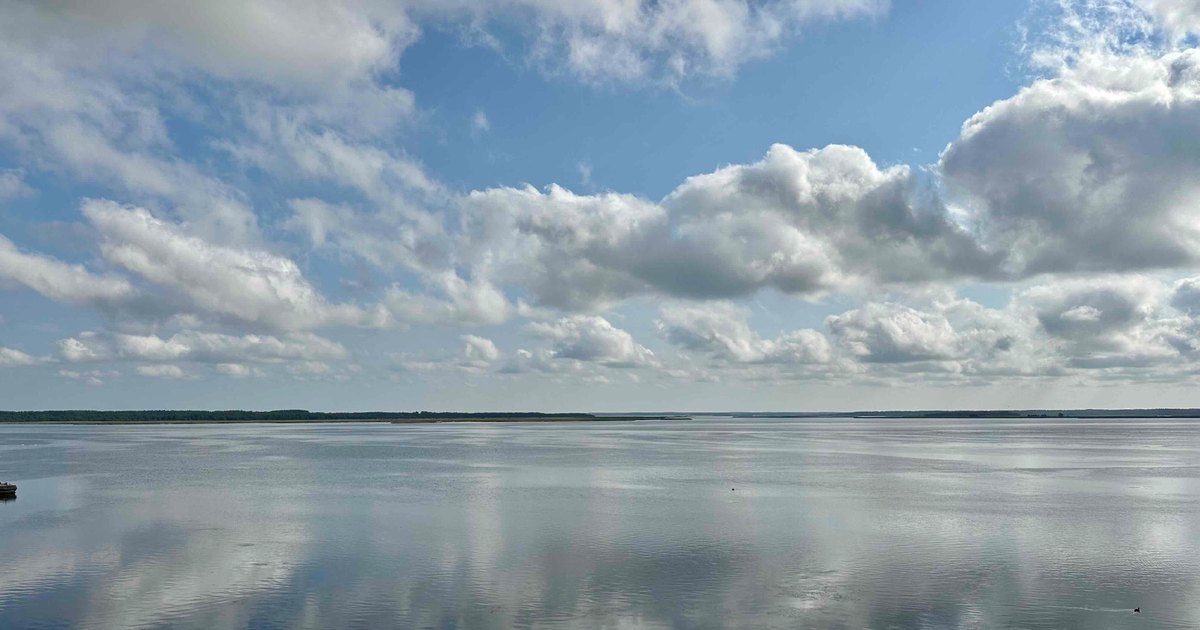
Western Estonia sits on the flyway between the Arctic and the wintering grounds of western Europe. In spring and autumn, millions of birds pass along this coast. Five places within an hour of the harbour cover most of what there is to see. Each one has a map below, with directions from our door.
1. Tagalaht bay and the promenade tower
Start before you get in the car. The bay in front of the building is shallow and sheltered, and it holds birds for most of the year. Mute swans through the summer, whooper swans on passage, goldeneyes and goosanders in the cold months, terns working the water at dusk.
The fifteen metre wooden tower stands halfway along the promenade, about eight minutes on foot. It gives you height over the whole bay, which is what you need when the light is low and the birds are far out.
From the sunset balcony you can watch the same water with coffee in your hand. Guests who come for the migration tend to do their first hour of the day there.
Tagalaht bay and the promenade tower
A walk. The tower is about eight minutes along the promenade.
2. Haeska tower, the north shore of Matsalu
Haeska is the tower with the reputation. A team of Finnish birders once recorded 128 species here in a single day, which stands as a European record from one point. The reason is the habitat: shallow saline mudflats, grazed coastal meadow and open water all meeting in one view.
What to look for. Barnacle and greylag geese in thousands during migration. White-tailed eagles almost daily, and when one drifts over the bay the whole flock lifts at once. In May the ruffs display on the short turf, and no two males carry the same collar. Black-tailed godwits and dunlin breed on the meadow.
The tower stands on private farmland at Tuulingu and is open from dawn to dusk. Park where the track widens and walk the last part.
Haeska birdwatching tower
About 25 minutes by car, the last stretch on gravel.
3. Kloostri tower and the Kasari delta
This is the one to save for the evening in autumn. The Kasari river spreads into one of the largest natural floodplain meadows left in Europe, and from mid September to mid October the cranes gather here in the thousands. They feed on the stubble fields inland through the day, then come back in long lines at sunset to roost in shallow water where no fox can reach them.
What to look for. Common cranes in numbers, greylag and bean geese, marsh harriers quartering the reeds. In June the corncrakes call through the short night. Roe deer and the occasional moose step out along the river at dusk.
Bring something warm. The wind comes straight across the meadow and the best half hour is the coldest one.
Kloostri tower, Kasari delta
About 35 minutes by car, south through Lihula road.
4. Silma reserve and the Sutlepa sea
North of town the land is still rising out of the sea, and old bays have closed into shallow lagoons. Sutlepa is one of them: reed beds, open water and wooden platforms, with far fewer visitors than Matsalu.
What to look for. Bitterns booming across the reeds in May, a sound that carries for kilometres before you ever see the bird. Bearded reedlings pinging through the stems. Whooper swans nesting, great crested grebes, white-tailed eagles overhead and black storks in the wet woodland nearby.
This one works well on a short morning, because the drive is the shortest of the three reserves.
Silma reserve and Sutlepa sea
About 20 minutes by car, north over the Noarootsi causeway.
5. Cape Põõsaspea
The northwestern tip of the Estonian mainland, a low spit of rock and shingle pointing into the sea. Autumn is why you come. Over two million waterbirds have been counted passing this headland in a single migration season, and on a strong day in October they move past in unbroken lines a few metres above the water.
What to look for. Common and velvet scoters, long-tailed ducks, red-throated and black-throated divers, arctic skuas chasing the terns. A telescope earns its weight here.
There is no shelter. Dress for an hour of wind off the open sea and take a flask.
Cape Põõsaspea
About 45 minutes by car, the far northwest corner of the mainland.
A day that works for both of you
Most couples who come here for birds are not both birders. This shape keeps everyone happy.
- Early. Out at first light to Haeska or Kloostri. Two or three hours while the light is best.
- Late morning. Back in town for a proper breakfast. Where to eat in Haapsalu has the bakeries that open early.
- Afternoon. The old town, or two hours at the spa four minutes from the door. See the spa and mud treatment guide.
- Evening. Back out for the roost flight, or stay on the balcony and watch the bay instead.
Seasons at a glance
- Mid April to late May. Geese and swans moving north, waders displaying, eagles active. The strongest few weeks of the year.
- June and early July. Breeding birds, corncrakes and warblers, light until midnight.
- Mid September to late October. Cranes in Matsalu and sea ducks at Põõsaspea. The other peak.
- November to March. Wintering swans and goldeneyes in the bay, eagles out on the ice.
Getting here and where to park at each site: driving, parking and arrival. More of the town: things to do in Haapsalu.
Common questions
When is the best time for birdwatching near Haapsalu?
Mid April to late May for the spring migration, and mid September to late October for the cranes and sea ducks. Both fall outside the busy summer weeks, so the town is quiet and rooms are easier to book.
Can you watch birds without a car?
Yes, in town. The Tagalaht bay in front of the building and the promenade tower both hold swans, goldeneyes and mergansers through most of the year. Matsalu, Silma and Põõsaspea need a car.
How far is Matsalu National Park from Haapsalu?
The north shore towers at Haeska are about 25 minutes by car. The Kasari delta towers in the south of the park are about 35 minutes.
What should you bring?
Binoculars, a windproof layer and waterproof boots. A telescope helps at Põõsaspea and on the open Matsalu bays, where birds sit far out.
Access, tracks and opening arrangements change. We check ours against Visit Haapsalu and Visit Estonia.
A warm place to come back to
Sadama 26 is a 47 m² top-floor flat by Haapsalu harbour, ten metres from the sea. Two balconies over the bay, a sea-view shower, free parking at the door and check-out at 13:00. Built as a home.